10 Bar Air Compressor Explained In Less Than 140 Characters


Understanding 10 Bar Air Compressors: Features, Applications, and Benefits
Air compressors have actually become an important tool throughout various markets, making it possible for whatever from powering pneumatic tools to helping with complex manufacturing processes. Amongst Schleifmaschine Für Holz Kaufen of air compressors, the 10 bar air compressor sticks out as a flexible option efficient in dealing with a wide variety of applications. In this blog site post, we will explore what a 10 bar air compressor is, how it works, its advantages, common applications, and frequently asked concerns.
What is a 10 Bar Air Compressor?
A 10 bar air compressor is a type of air compressor that can provide compressed air at an optimal pressure of 10 bar, which is approximately 145 psi (pounds per square inch). This level of pressure appropriates for different jobs, ranging from light-duty applications to demanding industrial procedures.
Basic Operation of a 10 Bar Air Compressor
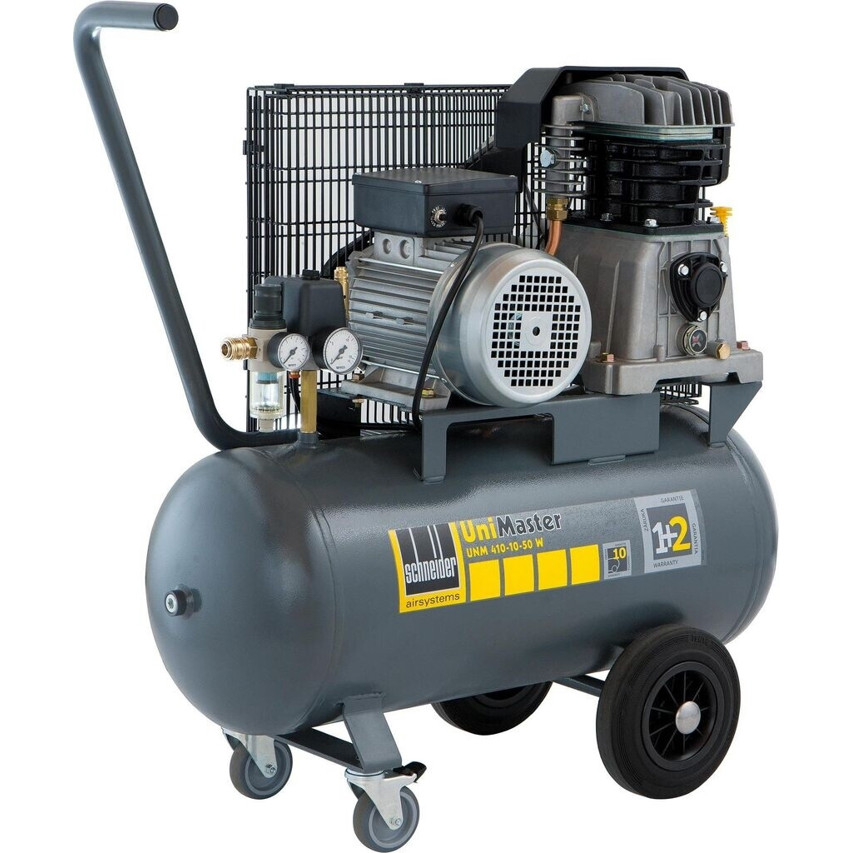
The fundamental mechanism behind air compressors involves drawing in ambient air, compressing it within a chamber, and after that expelling the high-pressure air. The main parts that play a crucial role in a 10 bar air compressor include:
- Compressor Pump: The pump compresses the air and assists in airflow.
- Motor: The motor powers the pump to ensure continuous operation.
- Tank: Stores the compressed air for usage when required.
- Pressure Regulator: Controls and keeps the preferred pressure levels.
- Security Valves: Ensure safe operation by releasing excess pressure.
Benefits of Using a 10 Bar Air Compressor
The decision to use a 10 bar air compressor comes with numerous benefits:
| Benefit | Description |
|---|---|
| Versatile Applications | Ideal for numerous jobs, including pumping up tires, powering tools, and spraying paint. |
| Energy Efficient | Numerous models are developed with energy-saving innovations, decreasing operating expenses. |
| Compact Size | Generally smaller sized than higher-pressure compressors, making them much easier to transport and store. |
| User-Friendly Controls | The majority of designs come with easy-to-use controls and evaluates for pressure tracking. |
| Improved Durability | Developed to stand up to strenuous usage, making sure a longer lifespan. |
Common Applications of 10 Bar Air Compressors
10 bar air compressors are employed across numerous sectors. Here are some common applications:
- Automotive Industry: Used for inflating tires, painting lorries, and powering air tools like wrenches and impact tools.
- Manufacturing: Essential for running equipment, providing pneumatic tools, and performing assembly jobs.
- Building: Utilized for nail guns, durable tools, and sandblasting.
- Agriculture: Applied for spraying pesticides and fertilizers, in addition to powering irrigation systems.
- A/c Systems: Used for screening and servicing heating and cooling systems.
Selecting the Right 10 Bar Air Compressor
Selecting the ideal 10 bar air compressor depends on various factors, including the designated application, needed airflow, and storage capability. Below is a list to help in making a notified decision:
Checklist for Choosing a 10 Bar Air Compressor
Understand Required Pressure:
- Ensure the compressor meets your pressure requirements (10 bar/145 psi).
Examine Airflow Requirements:
- Check the required air flow rate (CFM - cubic feet per minute) for your tools.
Consider Tank Size:
- Select a sufficient tank size based upon use frequency and duration.
Search For Energy Efficiency:
- Opt for designs created to reduce energy consumption.
Examine Portability:
- Choose between stationary or portable models depending upon your application.
Assess Durability:
- Investigate the develop quality and products used for longevity.
Evaluation Noise Level:
- Consider units with lower sound rankings for quieter operation.
Take A Look At Warranty and Support:
- Check guarantee terms and maker support for comfort.
FAQ About 10 Bar Air Compressors
Q1: How much compressed air is required for pneumatic tools?
A1: The needed amount of compressed air is determined by the tool's specs, normally measured in CFM. Tools like nail guns may need 2-4 CFM, while impact wrenches may require 4-7 CFM.
Q2: Can a 10 bar air compressor be used for spraying paint?
A2: Yes, a 10 bar air compressor appropriates for spray painting tasks. However, it's vital to guarantee the compressor can provide sufficient CFM to keep consistent pressure for ideal spray outcomes.
Q3: How frequently should I carry out upkeep on my air compressor?
A3: Regular upkeep is important for air compressor durability. It's suggested to carry out checks and services every 3 to 6 months, consisting of inspecting filters, oil levels (if appropriate), and looking for leaks.
Q4: Are there any security preventative measures to follow when utilizing an air compressor?
A4: Yes, constantly follow safety guidelines, such as using protective gear, ensuring safe electrical connections, preventing prolonged direct exposure to sound, and keeping the compressor in a well-ventilated location.
Q5: How can I enhance the performance of my air compressor?
A5: Efficiency can be improved by regularly maintaining the system, utilizing the appropriate size of tools, lessening air leakages in hose pipes and fittings, and guaranteeing the compressor is properly sized for the workload.
The 10 bar air compressor is a versatile and important tool throughout several industries. Its ability to deliver compressed air effectively while providing a variety of applications makes it an important tool for both experts and hobbyists. When picking the ideal compressor, it's crucial to consider your particular needs, guaranteeing you choose a design that provides the very best efficiency and worth for your investment. So whether you're inflating tires, powering tools, or dealing with a project, a 10 bar air compressor may simply be the ideal addition to your toolkit.